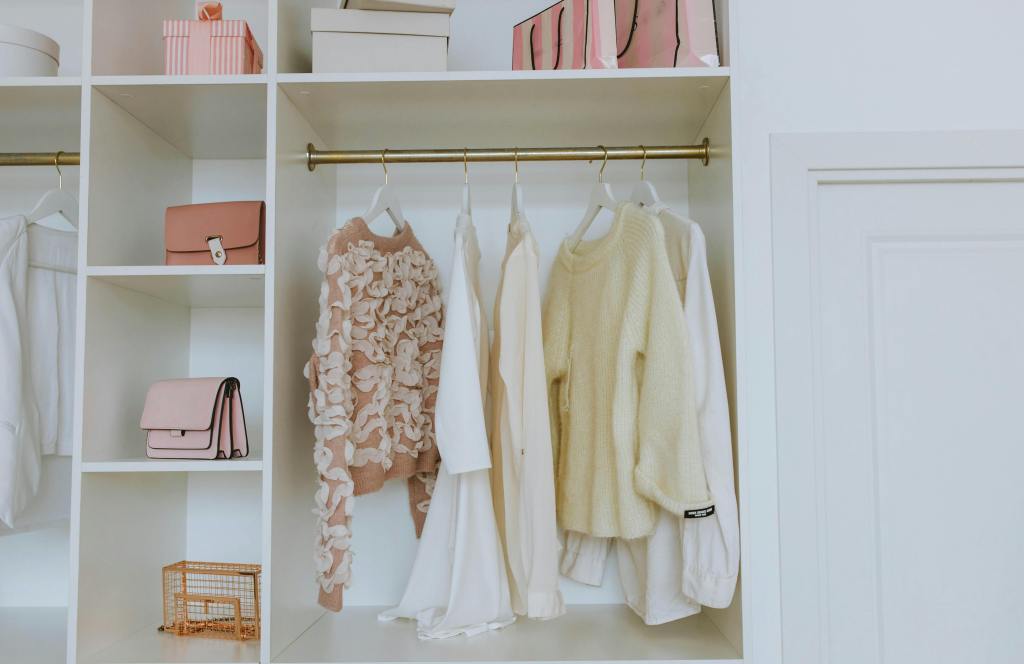
Many of us have grown up believing that more clothes mean more style, more status—more of “us.” So we fill our closets, spending time, energy, and money collecting piece after piece. Yet despite overflowing wardrobes and never-ending laundry piles, the cycle can feel impossible to break.
Adding to the problem, our obsession with fast fashion and mass consumer culture has quietly woven an increasing number of chemical treatments into the clothes we wear—substances we rarely think about, but which impact both our health and the environment. The documentary Buy Now! The Shopping Conspiracy pulls back the curtain on these hidden costs. Through candid interviews with industry insiders and experts, it challenges us to reflect on how—and why—we shop, and encourages more mindful, sustainable choices.
And all of it, driven by the illusion that our clothes define our worth.
But this endless cycle of consumption isn’t harmless. It poisons ecosystems, accelerates climate change, and buries us—both literally and emotionally—in waste. The clothing we wear should protect and express who we are, not put our health and the health of others at risk.
It’s time to rethink what we wear—and why we wear it.
If your closet feels more like a burden than a reflection of who you truly are, I’m here to help. Here are some tips to begin curating a wardrobe that brings you joy, simplifies your life, and supports both your health and the planet:
1. Know your colours and how to wear them.
Learn which colors suit you best and how to apply this knowledge when putting outfits together. It makes organizing your closet easier. Explore this DIY color palette analysis to discover whether your season is Spring, Summer, Autumn, or Winter and whether your tones are true, light, soft, or dark. Also learn how to transition your wardrobe for your color season. You can also hire a Canadian color stylists such as Christie Ressel.
2. Reflect on your daily life
Think about what you actually do every day. Your wardrobe should support your lifestyle—not the other way around.
3. Find your styles
Identify the styles that bring out the best version of you. This makes shopping and dressing more intentional and satisfying.
4. Invest in classics
Hold onto timeless pieces that can be styled in multiple ways and last for years.
5. Keep clothes that fit and flatter
Only keep items that truly fit your body today and make you feel confident. If you’re someone that fluctuates in body size, store clothing that does not fit at the back of your wardrobe along with out of season items.
6. Repair when possible
Before tossing something, see if it can be fixed. Mending extends the life of your clothes and reduces waste.
7. Donate and recycle responsibly
When you’re ready to part with items, donate or recycle them so they don’t end up in landfills. Check with your local donation and recycling guides.
8. Manage your wardrobe wisely
Keep enough items to handle laundry efficiently, select outfits quickly, and put things away without stress. The rule of thumb is to not have more clothes than your closet and dressers can comfortably hold. Minimize as needed.
9. Budget appropriately
Spend thoughtfully, prioritizing quality over quantity and avoid materials with high toxins when possible. Once you have put together your wardrobe using first what you have on hand, only replace worn items when necessary.
10. Shop secondhand
Sustainable style is always popular! Before you head out, know what you’re looking for to avoid impulse buys. When shopping secondhand, remember to secure your items in tie-closure plastic bags. Once home, give everything a good wash with warm, soapy water before wearing or using.
Building a wardrobe that supports you—your lifestyle, your health, and the planet—is absolutely possible. It starts with small, intentional steps. If you’re feeling overwhelmed by your closet or uncertain about how to make more mindful fashion choices, I’m here to help. Together, we can create space for what truly matters.
I’ve walked this path myself—applying these steps to my own closet—and I’ve supported many clients who feel torn between the urge to keep accumulating and the stress of managing what they already own. You’re not alone in this.
The inspiration for this post comes from Margaret Atwood’s powerful storytelling in both her novels and the TV adaptation of The Handmaid’s Tale. Atwood’s dystopian vision isn’t just fiction—it’s a warning, drawn from real historical events and designed to hold up a mirror to our world. In Season 6, Episode 8, one line from June struck a deep chord:
“It seems ridiculous now to contemplate how important clothes were to us before. We had closets full of them. We took jobs we hated so we could buy more of them. So we could be fashionable. So we could be on trend. We couldn’t figure out how to get rid of them. So we threw them in landfills. We poisoned the water. We brought on ecological collapse. All because we believed that these garments that we put on our bodies told the world who we were.”
That moment is a sobering reflection of where we are today. Our clothes shouldn’t define our worth, nor should they come at the expense of our well-being or the planet’s future. Let’s rethink what we wear—and why. And if you’re ready to start, I’d love to help. This blog was not created to shame you. It’s just a guide to raise awareness and to take steps towards positive change. We’re all doing our best with what we have, organizing your closet is progress towards living a life with more intention and peace.
Contact today to book an appointment and get started.
 Trained Professional Organizer & ADHD Specialist