
I’m often asked if I assist clients with interior design and décor, and I’m happy to share that I do have training in this area. I’ve created this go-to guide to support my clients and anyone doing it themselves using my best practices as a professional organizer.
If there’s one thing you can do right away to improve your space, it’s to declutter. From there, thoughtful design choices can help create an environment that supports focus, comfort, and emotional regulation. Below is my ADHD-friendly Home & Office Interior Design & Décor Guide.
At its core, a well-designed home is more than just how it looks, it’s how it feels. When you invest time and care into your space, it becomes a reflection of support, calm, and intention. A nurturing environment can create a sense of ease, helping you feel more grounded, connected, and supported in your daily life.
Keep in mind that the images in this article are intended to serve as visual inspiration. They help illustrate how color, texture, and open space can influence how we feel in an environment. Our personal items, preferences, and general tidiness is what gives a space personality, safety and belonging.
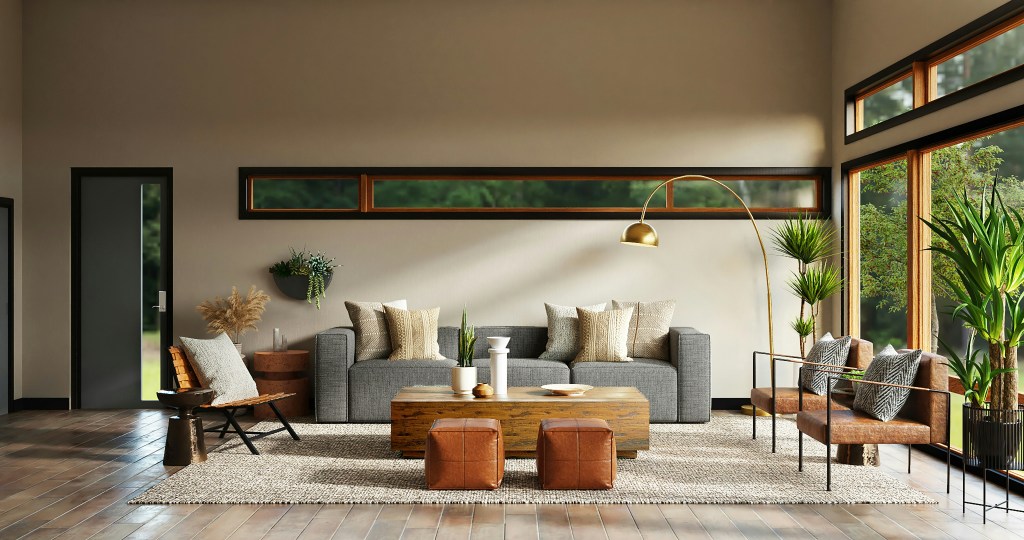
1. Color & Visual Balance (Nature Inspired)
- Use warmer, softer, muted color palettes, especially in offices to counteract harsh artificial lighting
- If your space lacks natural light, choose paint colors with a higher Light Reflectance Value (LRV) for balanced brightness (found on paint strips or online)
- Keep paint finishes in matte or eggshell to reduce glare (avoid gloss)
- Incorporate subtle textures and nature-inspired patterns in moderation to prevent visual overwhelm
- Add touches of metals and minerals (Yes, you get to showcase your favourite rock) to reflect light and bring in natural elements
- Follow the 60/30/10 color guideline:
– 60% calming warm neutrals (avoid very dark tones and bright whites on walls)
– 30% soft, nature-inspired warm tones
– 10% accent color (could be two colours one being green for a calming effect) - Add small items on shelves for pops of visual interest based on the purpose of the space and who will be using it (hello rainbow unicorn, my old friend)
- Use Pinterest for inspiration (make a vision board) and include items you already own to help visualize the space
- Light coloured items like white and cream help reflect light and make the room feel larger, while small amounts of darker tones add grounding and balance
Example: 60% Soft, warm white or beige (main wall color). 30% Soft caramel browns (furniture, shelving, or textiles). 10% Nature’s greens (accents or focal points). Pops of interest: Gold hardware, a curved mirror, a mix of solid colors with subtle textures and patterns, and small décor items that reflect hobbies and interests (like my collection of vintage cameras).
Research tip: Low-contrast, nature-inspired environments with pops of interest have been shown to reduce visual stress and support sustained attention, especially in individuals with sensory sensitivity.
2. Materials & Furniture (Low Maintenance)
- Research furniture, rug, pillow, and wall art placement guidelines to determine the appropriate placement in measurements based on the space and its function
- Choose natural, non-toxic, and sustainable materials when possible (especially for bedding)
- Invest in durable, easy-to-clean furniture to reduce maintenance stress
- Use soft, machine-washable textures (e.g., non-slip rugs, soft blankets) to reduce noise and increase comfort
- Incorporate simple or curved lines to create visual harmony and reflect organic, natural forms
- When styling tabletops, shelves, and bookcases, use the visual triangle rule by varying heights and styles. Our eyes are naturally drawn to grouped arrangements
- Identify the focal point in the room. Too many focal points can feel visually heavy and overwhelming, so aim for a balanced, intentional design
Research tip: Natural materials and softer textures can help lower stress responses and create a more regulated, calming environment.
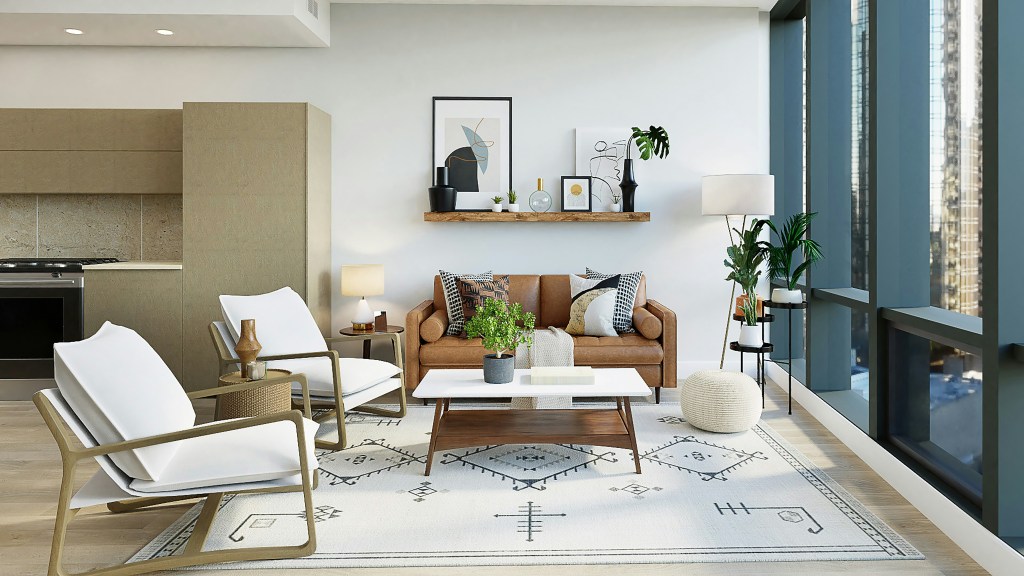
3. Lighting (Layered)
- Research lighting installation guidelines to determine the appropriate height, width, and fixture size based on the space and its function
- Use smart plugs or remote controls to quickly adjust lighting
- Use cooler, natural-toned day light bulbs in task areas to support alertness and focus
- Use warm, adjustable lighting (lamps, dimmers) for relaxation and transitions into the evening
- Use soft ambient lighting (e.g., string lights) to create a calming atmosphere (make sure it’s safe to use indoors)
- Turn on your cell phone’s colour tone to red in the evening to support your natural sleep cycle and reduce eye strain (go to settings, accessibility, display & text)
- Avoid low-quality or flickering LEDs, which may contribute to eye strain and fatigue
- Soften overhead florescent boxed lighting with fire-safe diffusers or covers to reduce harshness
- Keep cords organized and out of sight to reduce visual clutter and tripping hazards
Research tip: Consistent, well-balanced lighting supports circadian rhythm regulation, which plays a key role in focus, sleep quality for optimal health, and mood stability.
4. Sensory Management (Regulating)
- Choose quiet or low-noise equipment (keyboards, fans, printers) to minimize background stimulation
- Be mindful when selecting electronics, some devices may produce subtle noise or sensory input that can affect sensitive individuals. Wired options can reduce overall signal exposure and simplify setup
- All electronics generate heat so use cooling fan supports for laptops and clean vents regularly to reduce dust buildup
- Keep room temperature comfortable (ideally around 18–22°C); overheating can reduce focus, increase fatigue, and disrupt sleep
- Maintain clean air systems service HVAC regularly and consider HEPA air purifiers to reduce airborne particles and improve air quality
- Regular vacuuming, washing, dusting, and wiping, along with using furniture protectors (such as removable pillow covers), helps maintain and extend the life of your space but most importantly your immune system
- Keep fidgets on hand for busy hands, and consider adding items that allow gentle movement or bouncing to support focus
Research tip: Studies show that improved air quality, reduced noise, and stable temperature can significantly enhance cognitive performance and reduce mental fatigue.
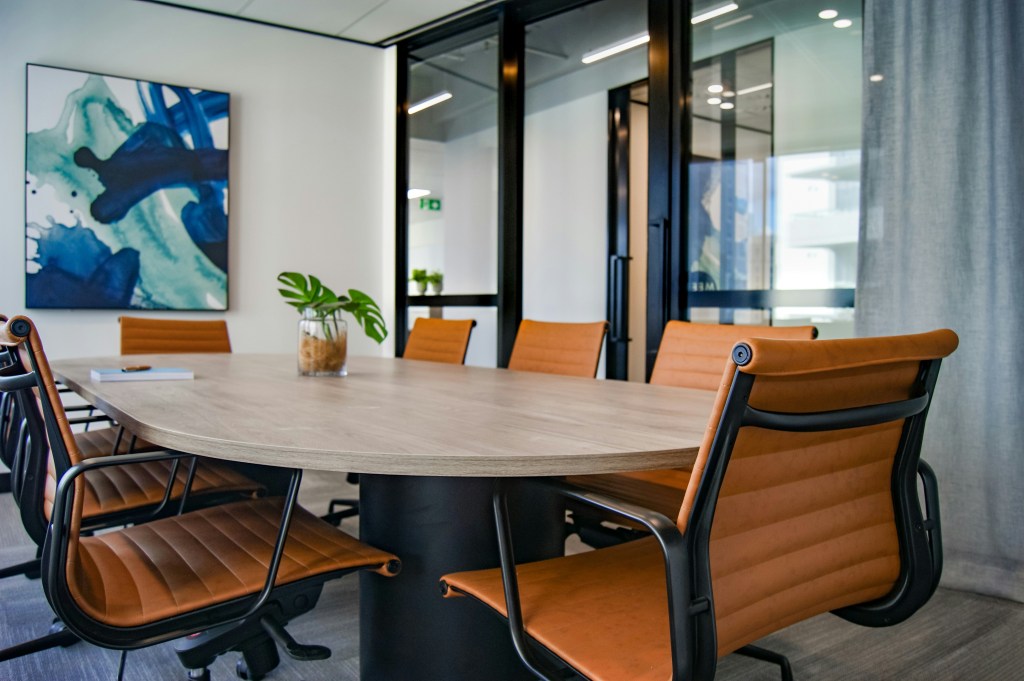
5. Make Spaces Easy to Understand (Movement)
- Arrange furniture and storage to support natural function, flow, safety, and ease of movement
- Define clear-purpose zones (sleep, work, learn, relax) to reduce decision fatigue
- Limit overly open layouts when possible as it can increase distraction or you could move seating so your visual focus is limited and more enjoyable
- Use flexible, adaptable multiuse furniture (multiuse storage, modular seating, adjustable desks) to support both structure and novelty
Research tip: Clear spatial organization and defined zones help reduce cognitive load and improve task initiation, especially for individuals with ADHD.
6. Reduce Cognitive Overload (Simplify)
- Minimize visual clutter to reduce distractions
- Avoid busy or high-contrast patterns, especially on floors
- Simplify what you own, remove what doesn’t serve you, and leave open space where possible
- Use simple, visible, and accessible storage systems:
- Group like items (be intentional, line up items neatly)
- Clear bins (can also store away in hidden storage areas)
- Labels (your brain will thank you)
- Open shelving (to avoid out of sight out of mind challenges)
- Designated drop zones for everyday items
Research tip: Cluttered environments can overwhelm working memory and reduce focus, while simplified, organized spaces support clarity and sustained attention.
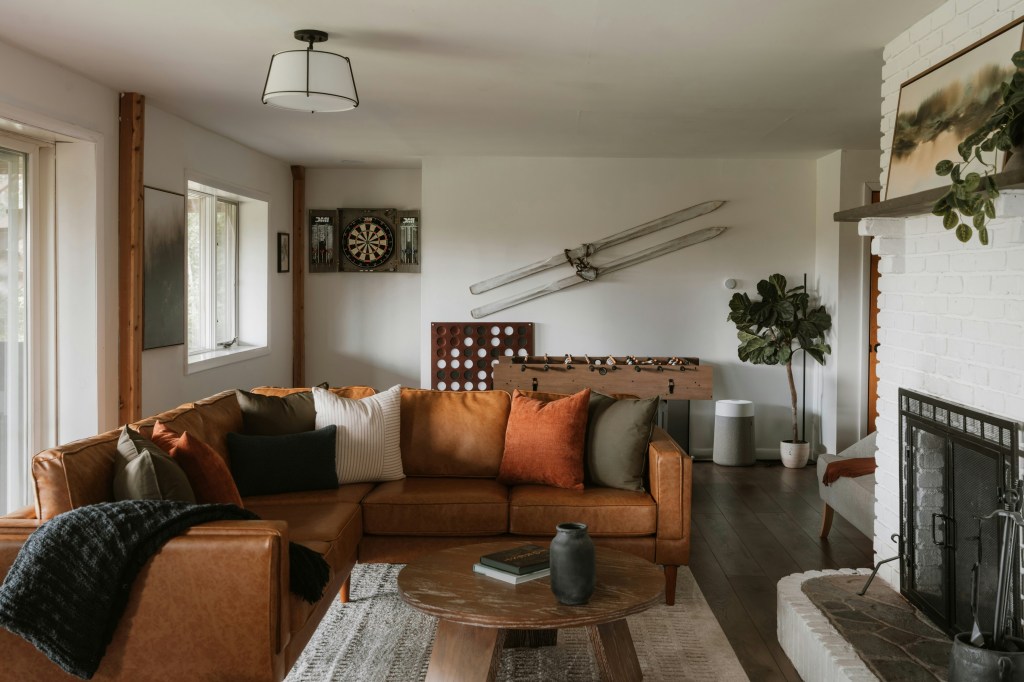
7. Smells & Aromas (Cleanliness)
- Keep scents minimal, use fragrance-free or low-scent products where possible
- Avoid strong artificial fragrances in all areas and products, which can cause headaches, distraction, and sensory overload (as well as trigger your guests)
- If using scent, choose subtle, natural options (e.g., light essential oils) and use sparingly
How light essential oils can support us (also based on personal preferences)
- Calming: Light, natural scents (like lavender and lemongrass) may help reduce stress and promote relaxation
- Focus: Certain scents (like peppermint, spearmint, eucalyptus, rosemary, cedarwood, and orange) can feel refreshing and may improve alertness
- Memory & mood: Smell is closely linked to the brain, so familiar scents can create a sense of comfort or positive association
Research tip: Strong or synthetic scents can negatively impact concentration and trigger sensory sensitivities, while clean, natural aromas and well-ventilated air supports focus, comfort, and overall well-being.
8. Make It Personal (Mirror Your Identity)
- Include photos, meaningful objects, and cultural items
- Design based on your needs and preferences not trends
- Create a space that feels grounding and affirming:
“I belong here.” When someone is visiting you, do they automatically know that they stepped into your personal space or company? And what does that feedback say about you or your company?
Research tip: Personalization and meaningful objects can increase emotional connection, motivation, and a sense of safety within a space.
In Summary
Creating a supportive space starts with decluttering and thoughtful planning to reduce overwhelm and improve clarity. Keep things simple, visible, and easy to maintain, while supporting your senses through intentional design choices. Allow your systems to evolve as your needs change.
When we consistently care for our homes and offices, they can become spaces that feel supportive, comforting, and restorative especially during times of stress or ill health.
If you’d like to book my services or need assistance, please visit my Contact page. The goal is not to make everything perfect overnight, but simply to make it better.
 Trained Professional Organizer & ADHD Specialist